
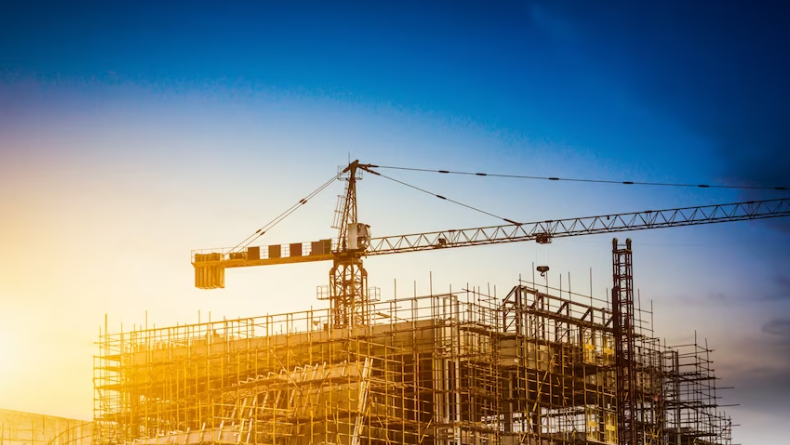
Building Construction
- Residential Building.
- Institutional and Commercial Building.
- Specialized Industrial Construction.
- Infrastructure and Heavy Construction.
Type 1 structures are high-rises, and they’re the stoutest of all construction types when exposed to fire. High-rises are usually defined as buildings more than 75 feet tall, with some agencies making amendments for buildings that are 35–55 feet tall.
Type 1 structures are constructed of concrete and protected steel (steel coated with a fire-resistant material, most often a concrete mixture), and are designed to hold fire for an extended amount of time in order to keep the fire at bay in the room and/or floor of origin.
As far as the typical ventilation operation of getting on the roof and cutting a hole, that’s not really an option when dealing with Type 1 construction. Even horizontal ventilation becomes challenging, as the windows are thick, tempered glass and may not be an efficient way to ventilate the structure. Ladder companies must be aggressive in securing the stairwells for both firefighters and victims evacuating the structure. If the structure meets building code, it will be equipped with self-pressurizing stairwells and have HVAC systems that will aid in air movement.
If necessary, the ladder company may need to mechanically pressurize the stairwells using a series of fans strategically placed at the base of the stairwell and every 10–12 floors depending on the effectiveness of the fans. The fire protection and fire-related systems in these buildings are overwhelming, so crews should make it a priority to locate a maintenance worker and keep them close throughout the incident.Type 1 structures are easy to identify on height alone.
It’s important for firefighters to know their city’s building codes, as this may affect which features are found inside the structures. Ladder crews should frequent Type 1 buildings in their area and be familiar with the systems that they may encounter (elevators, HVAC, fire pumps, etc). Finally, they must not forget to maintain good working relationships with the maintenance workers at these buildings.
Type 2 construction in newer commercial structures (both big box buildings and strip malls). A good habit to practice: sounding the walls to determine whether they’re made of a combustible material.When on the roof, ladder crews should cut an inspection hole to identify the decking material. Once a metal roof has been confirmed, the rooftop crew should consider opening skylights or resorting to natural ventilation in the form of large roll-up doors that are often found in the rear of the big-box structures. Common ventilation tools (chainsaws and circular saws) may simply not be efficient enough for cutting large holes on the roof to support ventilation for interior crews, as a circular saw will often cut through only small areas of metal and “gum up” with insulation,orthe blade will wear out quickly.
Whether conventional or lightweight, vertical ventilation on Type 3 construction is feasible and can be very effective. But safety is paramount; crews should always remain on ledger walls or structural members. Sounding and diagnostic cuts are effective ways to not only ensure the location of the structural members but also to allow the ventilation crew to monitor the roof conditions and act accordingly.
Firefighters can identify these buildings by the large lumber used for walls and the long distance of roof spans. These buildings were most commonly built before 1960, when bolts and metal plates were used as connectors.
Vertical ventilation may be achieved on these buildings, but sawyers may encounter thicker-than-expected decking that may make for a longer completion of a ventilation hole.